


Key Takeaways
- A coastal neighborhood should support everyday routines, not only look attractive in listing photos.
- Flood exposure, drainage, wind mitigation, insurance, and prior storm repairs deserve early review.
- Condo and HOA documents can reveal future costs, restrictions, and maintenance obligations.
- Recent comparable sales are more useful than broad market headlines when judging value.
Choosing a Naples coastal neighborhood involves more than comparing beach distance and square footage. Buyers also need to weigh traffic, property condition, insurance, community rules, and long-term ownership costs. For a neighborhood-level perspective, Naples FL real estate agents Laurel McGarel Group is a Naples and Southwest Florida luxury real estate team with experience across waterfront homes, gated communities, golf communities, new developments, and residential properties for buyers and sellers. Laurel McGarel Group’s local focus makes it a useful source of insight when comparing the practical differences among Naples-area locations.
Two homes at similar price points can create very different ownership experiences. One may offer walkability to dining and beaches, but also bring increased traffic, noise, insurance costs, or storm exposure. Another may provide more space and privacy farther inland, with a longer drive to the Gulf or downtown. The best choice is the one that fits both lifestyle and financial expectations.
Start With Daily Life
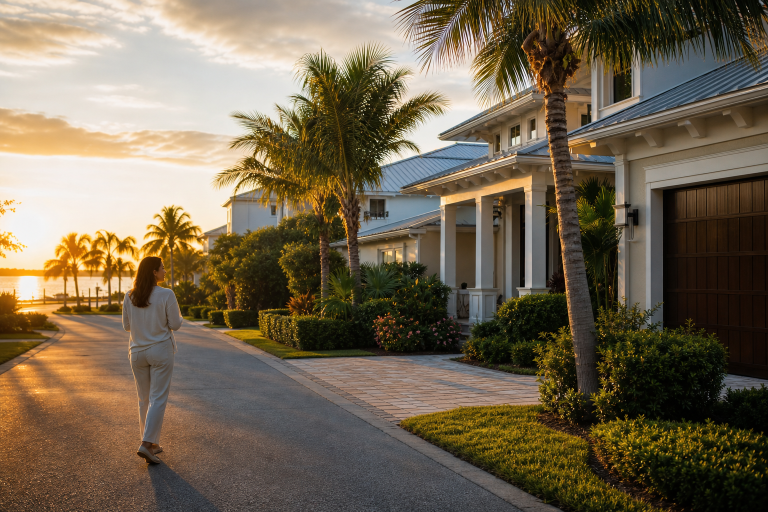
Visit each neighborhood more than once, including weekday mornings, late afternoons, evenings, and weekends. Drive the routes you would actually use, walk nearby streets, and spend time outside the property. Naples can feel very different during seasonal traffic peaks than it does during a quiet showing.
Daily-Life Factors To Compare
- Distance to beaches, parks, restaurants, shopping, medical care, and the airport.
- Traffic patterns, road access, sidewalks, bike routes, lighting, and pedestrian comfort.
- Noise from major roads, construction, marinas, clubs, or vacation rentals.
- Lot spacing, landscaping, views, privacy, and the amount of activity around the home.
- Access to boating, golf, fitness, social clubs, and other preferred recreation.
Check Flood And Storm Risk
Distance from the Gulf is only one part of the risk picture. Review the official flood zone, finished-floor elevation, drainage patterns, nearby waterways, roof age, impact protection, and any history of water intrusion. Buyers can start with the FEMA Flood Map Service Center, then confirm property-specific details with qualified inspectors, insurance professionals, engineers, and local officials.
Flood maps do not guarantee whether a property will experience water issues. Heavy rainfall, poor drainage, tidal conditions, and neighborhood infrastructure can matter even outside a high-risk zone. The City of Naples provides additional local guidance through its floodplain information resources.
Documents And Records To Request
- Flood-zone information and an elevation certificate, when available.
- Prior flood, storm, mold, or water-intrusion disclosures and repair records.
- Roof permits, replacement invoices, and wind-mitigation inspection reports.
- Permits for additions, renovations, enclosures, seawalls, docks, and drainage work.
Review Insurance Costs Early
Request insurance estimates before submitting an offer, especially for waterfront homes, older residences, condominiums, and properties with aging roofs or nonstandard features. A low purchase price can lose its advantage if premiums, deductibles, or required repairs are substantial.
Insurance Questions To Ask
- What are the estimated annual homeownership, windstorm, and flood premiums?
- What hurricane and flood deductibles would apply?
- Is flood coverage separate, and does the policy reflect full replacement cost?
- Are the roof, windows, electrical system, and plumbing acceptable to the insurer?
- Are docks, seawalls, water backup, mold, or detached structures excluded?
Compare Property Types
Match the property type to the level of responsibility you want to carry.
- Single-family homes: Often provide privacy and outdoor space, but owners handle exterior maintenance, landscaping, roof care, and more insurance decisions.
- Condominiums: May simplify exterior maintenance and add amenities, but buyers should examine reserves, budgets, assessments, inspections, and rental rules.
- Townhomes: Can offer a middle ground, though exterior responsibilities and insurance coverage vary by association.
- New construction: May include updated systems and codes, but buyers should still review builder reputation, warranty terms, upgrades, timelines, and future community costs.
Study Community Rules And Fees
Association documents are part of the purchase decision, not an afterthought. Review what the association maintains, what the owner must maintain, how reserves are funded, and whether major projects or assessments are pending.
- Pet, parking, guest, vehicle, boat, golf cart, and trailer rules.
- Rental minimums, short-term rental limits, and residency requirements.
- Exterior renovation, paint, landscaping, and architectural approval requirements.
- Current fees, insurance responsibilities, litigation, capital projects, and special assessments.
Look At Current Market Data
In 2026, treat Naples as a collection of smaller markets rather than one uniform market. Compare recent closed sales in the same development or nearby streets, then consider days on market, price reductions, condition, views, upgrades, and lot or building location. Active listings show seller expectations. Closed sales show what buyers have recently paid.
Build A Neighborhood Scorecard
Rate each neighborhood from one to five for location, commute, flood exposure, insurance affordability, home condition, association strength, privacy, noise, recreation access, monthly costs, and resale appeal. The scorecard will not replace inspections or financial advice, but it can make emotional decisions easier to compare objectively.
Questions To Ask Before Buying
- What makes this neighborhood meaningfully different from nearby alternatives?
- Has the property experienced a storm, flood, mold, or structural damage?
- What costs should be expected beyond the mortgage payment?
- Are assessments, infrastructure work, or major community repairs planned?
- How flexible are rental, renovation, and lifestyle rules?
- Would this home remain appealing to future buyers if plans change?
Final Checklist
- Visit at different times and test the daily routine.
- Confirm flood, drainage, storm, and insurance details.
- Review permits, repairs, warranties, and association records.
- Compare recent closed sales and calculate the full annual ownership cost.
- Schedule a thorough inspection before committing.
A beautiful Naples coastal home can be an excellent fit, but the neighborhood must work beyond the first impression. Careful research into lifestyle, risk, rules, condition, and costs helps buyers choose a home that supports both present-day enjoyment and long-term confidence.