

Key Takeaways
- Reliable pest prevention is part of regular home maintenance, not a one-time task.
- Seasonal conditions can change where pests look for food, water, shelter, and entry points.
- Sealing gaps, managing moisture, reducing clutter, and protecting food storage can lower pest pressure.
- Accurate identification matters because different insects and animals require different responses.
- Repeated signs, structural damage, or animal noises inside the home deserve prompt attention.
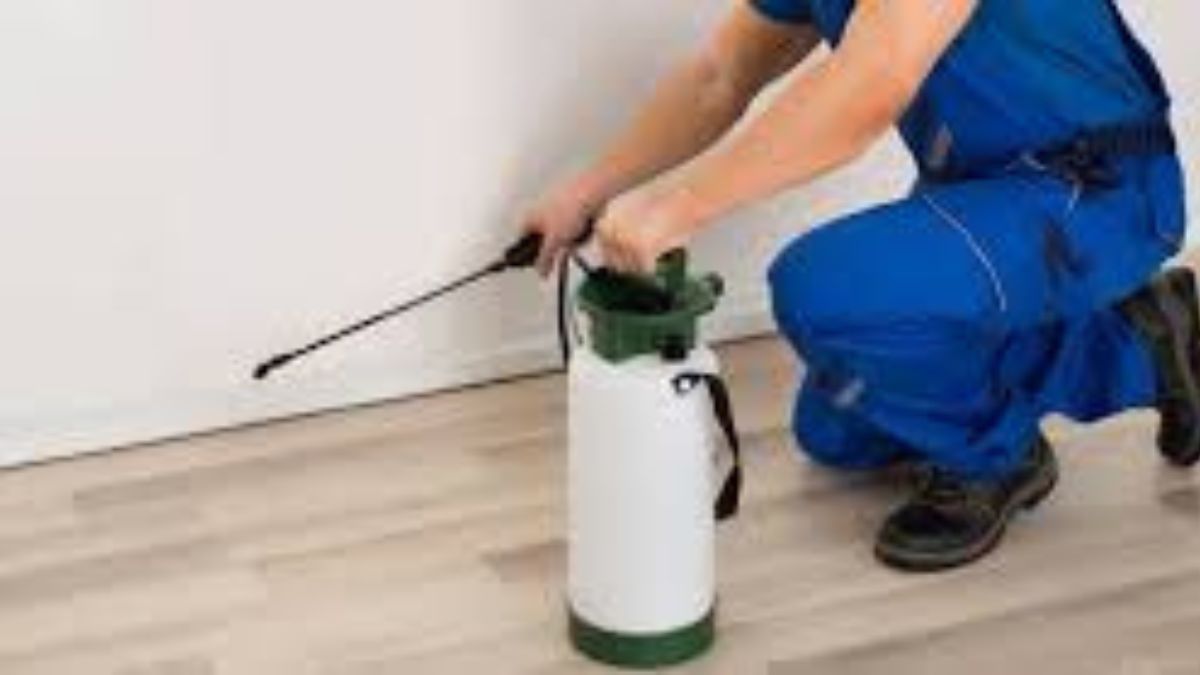
Concord homeowners deal with changing temperatures, rain, dense landscaping, garages, crawl spaces, and neighborhoods where homes may sit close to wooded edges. A seasonal routine helps spot small issues before they become larger disruptions. When scratching, nesting, or animal entry becomes a concern, a Concord wildlife exterminator for professional animal control can help address the situation with an inspection focused on the source of the activity. The goal is not to make a home sterile or to react to every isolated insect sighting. Instead, create conditions that are less inviting to pests by limiting easy access to water, food, hiding places, and openings around the structure.
Why Prevention Should Follow the Seasons
Pest activity varies with outdoor temperatures, rainfall, vegetation, and available shelter. Spring can bring renewed insect movement, summer creates more opportunities for moisture-related pests, fall encourages rodents and wildlife to seek protected spaces, and winter may reveal activity in attics, basements, garages, and walls. A year-round plan gives homeowners a practical maintenance schedule rather than relying on emergency treatment.
Spring: Check for Early Activity
As the weather becomes milder in Concord, start with an exterior walk-around. Inspect window screens, door sweeps, foundation cracks, utility openings, and areas where pipes enter the home. Clear leaves from gutters and drains, look for damp conditions in crawl spaces or basements, and trim plants that touch siding, windows, or roof edges. Inside, watch for ant trails near sinks, windows, kitchens, and bathrooms. Before bringing seasonal bins, patio cushions, or garden tools indoors, check them for insects or nesting material. Identification is important. Flying ants, termites, wasps, and harmless insects can look similar at a glance, but they do not call for the same response.
Summer: Manage Moisture and Outdoor Pests
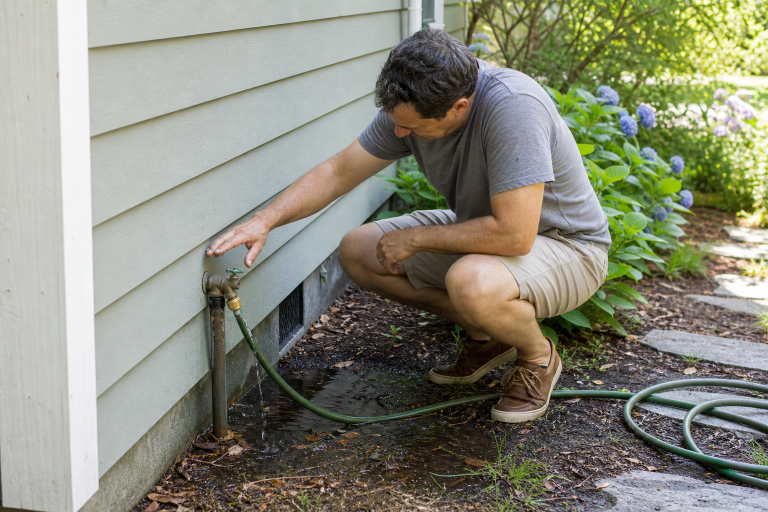
Summer prevention centers on water, food, and yard maintenance. Repair dripping outdoor faucets and hoses, empty water from toys, buckets, planters, and clogged drains, and keep trash containers closed. Store pet food in sealed containers, remove excess brush, and inspect eaves, sheds, playsets, and fences for developing wasp nests. Yards near trees, brush, or tall grass also deserve tick awareness. The steps for reducing tick habitat around a yard include clearing leaf litter, mowing regularly, and cutting back tall grass and brush near the lawn edge. Keep woodpiles orderly and away from the house, and check people and pets after time in brushy outdoor areas.
Fall: Close Off Rodent Entry Points
Fall is a useful time to inspect the home before colder conditions make indoor shelter more appealing. Seal gaps around pipes, vents, doors, utility lines, and foundation penetrations. Repair damaged soffits, screens, and roof edges. Keep branches from contacting the roof, and move firewood, lumber, and stored materials away from exterior walls. Check attics, garages, and crawl spaces for droppings, gnaw marks, grease marks, or shredded nesting material. Store birdseed, animal feed, and dry goods in hard-sided containers with secure lids. Exclusion is especially important because removing a visible pest does not solve the problem if the same opening remains available.
Winter: Watch Indoor Trouble Spots
Cold weather does not guarantee a pest-free home. Some insects remain active in protected indoor spaces, while rodents and wildlife may use attics, wall voids, garages, and crawl spaces for shelter. Inspect these locations periodically, especially around plumbing, heating equipment, vents, and stored belongings. Reduce cardboard clutter and keep storage organized so signs are easier to see. Listen for recurring scratching or movement in ceilings and walls. Look for new droppings, chewed materials, damaged insulation, or odors that may point to an ongoing issue. Document the location and date of each sign to determine whether the activity is isolated or repeating.
A Simple Home Pest Check
A quick monthly check, plus a more detailed review at the start of each season, can make prevention manageable. Use this routine:
- Walk the exterior. Review the foundation, roofline, doors, windows, vents, and utility openings.
- Look for moisture. Note leaks, clogged gutters, poor drainage, damp soil, and standing water.
- Check food storage. Clean crumbs and spills, seal pantry items, and avoid leaving pet food out overnight.
- Inspect hidden spaces. Check closets, attics, garages, basements, sheds, and crawl spaces.
- Record changes. Take photos and note the location, date, and type of pest sign.
How to Choose Safer Control Methods
Start by identifying the pest and correcting the conditions that support it. The Integrated Pest Management approach emphasizes monitoring, prevention, accurate identification, and the selection of control methods based on need and risk. In practice, that means using sanitation, repairs, screens, seals, and traps before relying on broad pesticide applications. If a pesticide product is necessary, follow the label exactly. Keep children, pets, food, dishes, and personal items away from treatment areas as directed. Using more product than the label permits does not improve results and can create unnecessary exposure risks.
When to Seek Professional Help
A routine checklist may not be enough when the activity keeps returning after cleaning and repairs. Consider professional evaluation when droppings or damage appear in multiple areas, noises continue from inside walls or ceilings, stinging insects nest near doors or play areas, termite-like insects appear, or the pest cannot be confidently identified. A thorough inspection and a plan that addresses both the pest and its entry point are more effective than treating only the visible signs.
Common Questions
How often should a Concord home be checked for pest problems?
Perform a brief check each month and a more complete inspection at the start of every season. Homes near wooded areas, water, open fields, or older structures may benefit from closer monitoring.
Does a clean home still need pest prevention?
Yes. Clean habits reduce food sources, but pests can still enter through gaps, roof openings, plumbing penetrations, damaged screens, and poorly sealed doors.
What should happen after seeing one pest?
Note what it was, where it appeared, and whether food, water, clutter, or an entry point was nearby. One sighting may be an isolated occurrence, while repeated signs warrant closer inspection.
Conclusion
A four-season prevention plan keeps pest control practical and manageable for Concord households. Regular inspections can help homeowners spot moisture problems, damaged screens, small openings, or early signs of pest activity before they become more difficult to address. Moisture control, organized storage, clean outdoor areas, and properly sealed entry points can also reduce the food, water, shelter, and access that many pests seek. Seasonal maintenance should be adjusted as weather conditions change, with attention to areas such as basements, attics, garages, kitchens, yards, and exterior walls. By combining routine cleaning, property maintenance, and early monitoring, homeowners can make their homes less attractive to unwanted pests and address potential problems before they develop into larger infestations year-round.