


Key Takeaways
- A shared memorial can honor several relatives while preserving each person’s individual story.
- Michigan families benefit from planning for changing seasons, cemetery policies, access, and future inscriptions.
- Clear decision-making roles and written records can reduce stress during an emotional process.
- A lasting design balances personal meaning, available space, budget, and long-term care.
Planning a shared family memorial gives Michigan families time to create a place that reflects their history, values, and connections across generations. Whether relatives gather in the same town or travel home from across the state, custom family monuments can provide a central setting for remembrance that feels personal rather than generic. Thoughtful planning also matters in a state where cemetery visits can look very different in July sunshine, October leaves, and deep winter snow. A memorial should be easy to locate, comfortable to visit, and designed with the cemetery’s maintenance practices and local weather in mind.
Why Families Choose Shared Memorial Spaces
A shared space can honor parents, spouses, siblings, children, or multiple generations in one meaningful location. It gives relatives a common place to bring flowers, tell stories, and observe anniversaries. For families spread across Detroit, Grand Rapids, the Thumb, Northern Michigan, or beyond, returning to a single memorial can strengthen a sense of continuity.
Start With a Family Conversation
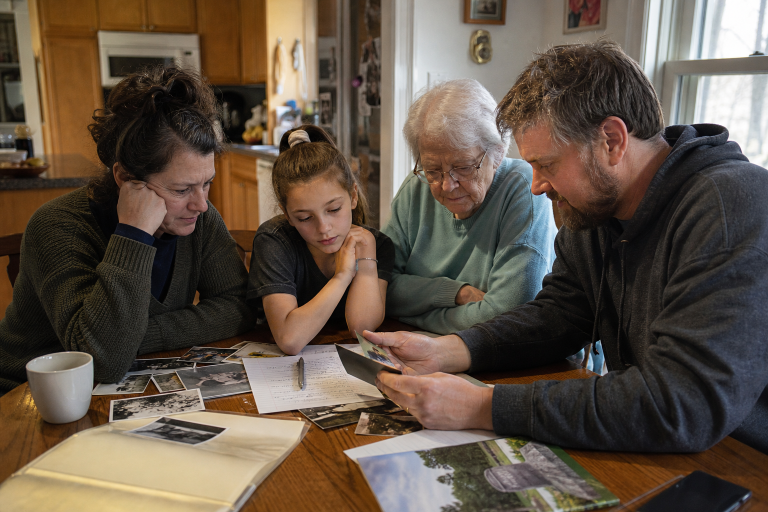
Before selecting granite colors, lettering, or symbols, talk about what the memorial should communicate. Ask relatives which traditions, memories, faith practices, occupations, hobbies, or family sayings feel important to them. Write down ideas as they arise, especially when older relatives can share details that younger family members may not know. Families considering cremation should also discuss whether family columbariums fit their long-term plans. This option may provide a shared urn area while allowing loved ones to choose a format that suits the cemetery, available space, and future family needs.
Set Clear Decision-Making Roles
Shared planning works best when everyone understands how decisions will be made. Complete agreement is ideal, but it is not always realistic. A practical approach is to invite input broadly while appointing one coordinator to manage deadlines, communications, and paperwork.
- Select one primary contact for the cemetery and memorial provider.
- Assign specific tasks, such as finding family photographs, verifying dates, or gathering military records.
- Decide which choices require group approval and which can be delegated.
- Set a reasonable date for approving the final design.
- Keep a written list of costs, changes, and confirmed decisions.
Review Cemetery Rules Before Choosing a Design
Every cemetery can have its own requirements for size, placement, foundation work, materials, finishes, decorations, and installation. Request the current rules in writing before approving a design. Michigan families can also review how the state regulates many cemeteries through information on cemetery regulation, while remembering that municipal and religious cemeteries may operate under separate policies. Ask the cemetery whether a shared marker may include future names, whether additional engraving is allowed later, and whether a specific installer must be used. Confirm rules for flowers, benches, solar lights, planted areas, and personal objects, since permitted items may change by season or be removed for mowing and snow clearing.
Choose a Memorial Style That Can Grow With the Family
Think beyond the first inscription. A shared family memorial may need room for additional names, dates, or relationships in years to come. A family name, simple heritage symbol, or brief phrase can create unity, while individual inscriptions preserve personal identity. Choose lettering that remains readable from a comfortable distance and avoid crowding the design with details that may be difficult to add or maintain later.
Plan the Space Around the Memorial
A meaningful cemetery space does not need to be elaborate. It should simply be safe, accessible, and respectful of the setting. Consider the walking surface, nearby trees, shade, drainage, and whether older adults or visitors with limited mobility can easily reach the site. In Michigan, falling leaves, spring rain, freeze-thaw cycles, and snow cover make durable placement and clear access especially important.
Build a Realistic Family Budget
The memorial itself is only one part of the total cost. Compare written estimates that separate material, design work, lettering, artwork, foundation preparation, delivery, installation, cemetery fees, and future engraving. Families should also discuss how expenses will be divided before a final order is placed. A fair plan may account for relatives who want to contribute time, records, or coordination rather than the same dollar amount.
Include Different Generations Thoughtfully
Children and grandchildren can participate without carrying adult responsibilities. Young children may share a drawing or a favorite memory. Teenagers can organize photographs, scan documents, or build a family timeline. Older relatives can explain traditions, military service, immigration stories, or the meaning behind a chosen symbol. These contributions can make the finished memorial feel like a true family project.
Handle Disagreements With a Simple Process
Different opinions are normal because relatives may remember the same person in different ways. Start by identifying shared goals, such as honoring a parent with dignity or leaving space for future family members. Then separate essential decisions from optional details. Listen fully, use the deceased person’s known wishes when possible, and pause if the conversation becomes too painful. A faith leader, counselor, or neutral professional can help when a family reaches an impasse.
Create a Record for Future Relatives
Keep a planning file with the cemetery name, plot or niche information, approved artwork, inscription details, contracts, receipts, and maintenance instructions. Include a short page of family stories connected to the memorial. If a loved one served in the military, Michigan families can review available burial benefits and resources before finalizing arrangements, since eligibility and memorial options may affect the plan.
Common Questions Families Ask
Should a shared memorial include everyone’s name?
Not necessarily. Some families use full names and dates, while others begin with a family name or symbol and reserve space for later additions. Cemetery rules and available room should guide the decision.
Can a family memorial be planned?
Yes. Planning gives relatives more time to compare designs, discuss costs, and make choices without the immediate pressure of a loss.
Final Planning Checklist
- Discuss goals with key relatives.
- Confirm cemetery rules and measurements.
- Choose a design that allows for future needs.
- Collect itemized estimates.
- Assign a coordinator and save all records.
- Review the final design together before approval.
Conclusion
A shared family memorial in Michigan can become more than a permanent marker; it can serve as a lasting place for reflection, reunion, remembrance, and the preservation of family history. Because multiple relatives may have different memories, preferences, and ideas, taking time to listen to one another can help create a design that represents the family as a whole. Families should also consider the memorial’s location, materials, inscriptions, landscaping, maintenance needs, and exposure to Michigan’s changing weather conditions. Confirming cemetery requirements and placement guidelines before making final decisions can help prevent delays or unexpected changes. By discussing important choices openly, planning for local conditions, and documenting every detail, families can create a thoughtful memorial space that remains meaningful, accessible, and enduring through many seasons and generations.