

Key Takeaways
- Hidden leaks can raise water use and damage building materials long before a pipe becomes visible.
- Unexplained bill increases, musty odors, stains, damp flooring, and soft soil can all be warning signs.
- A water meter test and a few fixture checks can help narrow down the source.
- Toilets, appliance hoses, irrigation lines, and water service lines are common areas to inspect.
- Quick action can limit damage to drywall, flooring, cabinets, insulation, and personal belongings.
In Atlanta, Georgia, a small plumbing leak can go unnoticed through humid days, heavy rain, and busy household routines until a higher bill or a damaged surface finally draws attention. Homeowners who notice persistent dampness near the yard, foundation, or meter may need more than a fixture repair, especially when the problem involves the pipe that supplies the home. In those situations, professional water service line replacement in Atlanta, Georgia, may be the appropriate next step. Leaks do not always show up directly beneath the failed pipe. Water can travel along framing, pipes, insulation, or soil before it appears as a ceiling stain, a warped floorboard, or a muddy patch outside. A ceiling mark below an upstairs bathroom, for example, may come from a slow leak around a toilet connection, shower drain, or supply line rather than from the ceiling itself.
Why Hidden Leaks Need Prompt Attention
Water that repeatedly reaches materials not designed to remain wet can lead to progressively larger repair needs. Wet insulation loses effectiveness, wood can deteriorate, drywall can soften, and flooring may swell or separate. In crawl spaces and wall cavities, prolonged moisture can also create conditions that support mold growth. The sooner the source is identified and stopped, the more likely it is that damage remains limited to a smaller area.
Common Signs of a Hidden Water Leak
Indoor Warning Signs
- A water bill rises even though household habits have not changed.
- You hear water moving when faucets, appliances, and irrigation are off.
- Paint peels, drywall bubbles, ceiling stains, or baseboards swell.
- Closets, cabinets, bathrooms, or crawl spaces have a persistent musty smell.
- One portion of a floor feels warm, damp, soft, or unusually uneven.
- Water pressure drops at multiple fixtures rather than at just one faucet.
- A toilet refills unexpectedly, or a faucet continues to drip after closing.
Outdoor Warning Signs
- A patch of grass remains unusually green during a dry spell.
- Soil stays muddy or soft when nearby areas have dried out.
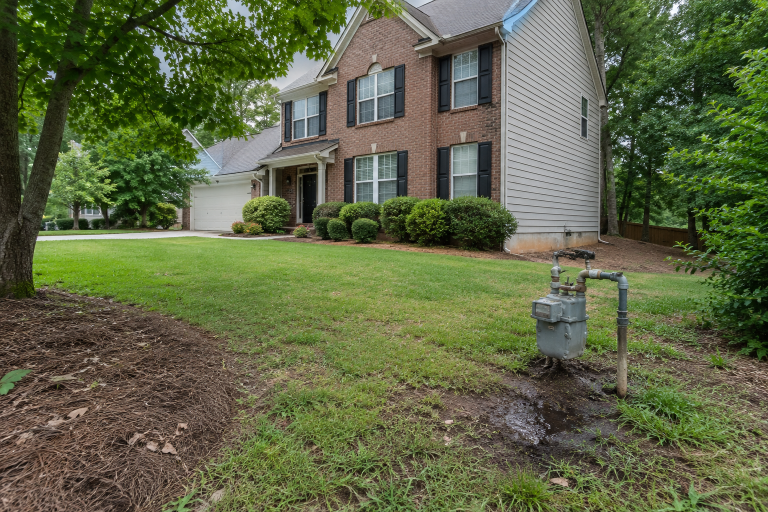
- Water pools near the foundation, water meter, or point where the supply line enters the home.
- Pavement, landscaping, or soil begins to shift in one concentrated area.
- An irrigation zone appears to run poorly, even though the controller is operating normally.
How Much Water Can a Leak Waste?
A leak does not need to be dramatic to matter. The EPA reports that the average family can waste 180 gallons each week, or 9,400 gallons annually, from household leaks, which is comparable to more than 300 loads of laundry, which is why even a slow toilet leak or unnoticed drip deserves attention. Household leaks can waste thousands of gallons of water each year, with the actual total depending on the leak’s flow rate and how long it continues.
A Simple Water Meter Test
A water meter test can help identify water use occurring out of sight. First, turn off faucets, showers, appliances, ice makers, irrigation, and any other equipment that may draw water. Record the meter reading, then avoid using water for about two hours. Check the meter again. If the reading changed, a leak or another automatic water-using device may be active. Before assuming a buried pipe is leaking, account for water softeners, refrigerator ice makers, filtration systems, and irrigation schedules. Compare the current bill with the same month last year as well. Seasonal lawn watering, guests, pool filling, or changes in occupancy can increase use without a plumbing failure.
Quick Fixture and Appliance Checks
Check Toilets First
Toilets can leak silently. Add a few drops of food coloring to the tank, wait about 10 minutes without flushing, and check the bowl. If the color appears in the bowl, water is passing through the toilet when it should not be. A worn flapper, fill valve, or misaligned component is often responsible.
Inspect Faucets and Appliances
Look under kitchen and bathroom sinks for damp cabinet bottoms, corrosion, loose supply connections, or staining around shutoff valves. Check showerheads and faucets for drips after use. Behind washing machines, dishwashers, refrigerators, and water heaters, inspect hoses and nearby flooring for bulges, cracks, rust, standing water, or swelling materials.
Hidden Areas That Deserve Extra Attention
Some of the most important checks are in places homeowners rarely see. Inspect beneath sinks, behind refrigerators with water dispensers, around water heaters, in unfinished basements, and inside crawl spaces. Outdoors, check hose bibs, sprinkler valves, irrigation lines, and the route between the meter and the home. In Atlanta, the property owner is generally responsible for plumbing on the private side of the meter, so it is useful to understand how the city handles high water bills and potential leak-related account adjustments after a repair.
Leak Detection Devices and Monitoring
Moisture sensors can alert homeowners when water reaches a cabinet, laundry room floor, water heater pan, or other vulnerable area. Whole-home flow monitors track water-use patterns and may flag continuous flow that could indicate a leak. Some systems can work with an automatic shutoff valve. Before choosing a device, consider whether it monitors indoor and outdoor water, sends phone alerts, requires a subscription, and needs professional installation.
What to Do When a Leak Is Confirmed
- Shut off the nearest fixture valve if the leak is accessible and safe to reach.
- Turn off the home’s main water supply if water continues to spread.
- Move furniture, electronics, and stored items away from the affected area.
- Remove standing water with towels or a wet vacuum when it is safe to do so.
- Take photos of visible damage and keep repair records.
- Contact a qualified plumbing professional when the source is hidden, underground, or difficult to control.
Do not cut into walls near electrical wiring or dig near buried utilities without appropriate knowledge and precautions. Stopping water flow is important, but the underlying cause and any moisture trapped in building materials must also be addressed.
Repair, Replacement, and Prevention
A worn seal or a loose connection may require minor repair. A damaged section of accessible pipe may allow a targeted repair. Repeated failures, corrosion, or a compromised underground line may justify replacement instead. After repairs, reduce future risk by reviewing monthly bills, inspecting visible connections a few times each year, replacing aging hoses on appliances, maintaining irrigation equipment, and protecting outdoor faucets during freezing weather.
Frequently Asked Questions
Can a small leak cause serious damage?
Yes. The location and duration matter more than how noticeable the leak seems. A slow leak inside a wall can affect framing, insulation, drywall, and nearby flooring over time.
When is a leak an emergency?
Act urgently if water is spreading quickly, a ceiling is bulging, electrical equipment is nearby, the main shutoff does not stop the flow, or the source cannot be located. Shut off water if safe and seek immediate help.
Conclusion
Hidden water leaks rarely resolve on their own. By watching for early warning signs such as unexplained increases in water use, damp areas, musty odors, staining, or sounds of running water, homeowners may be able to identify a problem before it becomes more disruptive. Testing the water meter when fixtures are not in use can also help indicate whether water is flowing where it should not. Checking common trouble spots, including under sinks, around toilets, near water heaters, and along visible plumbing connections, can provide additional clues. When signs point to a concealed leak, responding quickly and arranging a proper evaluation can help determine the source and extent of the problem. Taking action early may reduce water waste, limit potential damage to walls, floors, and other materials, and help Atlanta homeowners make a more informed repair decision.